How to Future-Proof Your Hotel IT Infrastructure
The average hotel operates more technology today than ever before.

Property Management Systems, electronic locks, mobile access, guest WiFi, payment platforms, energy management systems and countless third-party applications all play a role in daily operations. At the same time, guest expectations continue to rise, requiring hotels to deliver increasingly seamless digital experiences.
For IT and security managers, this creates a difficult balancing act. Every new technology introduces new capabilities, but it can also introduce new vulnerabilities, compliance challenges and operational complexity.
Future-proofing hotel IT infrastructure is no longer simply about keeping systems up to date. It's about building an environment that remains secure, scalable and resilient as technology continues to evolve.

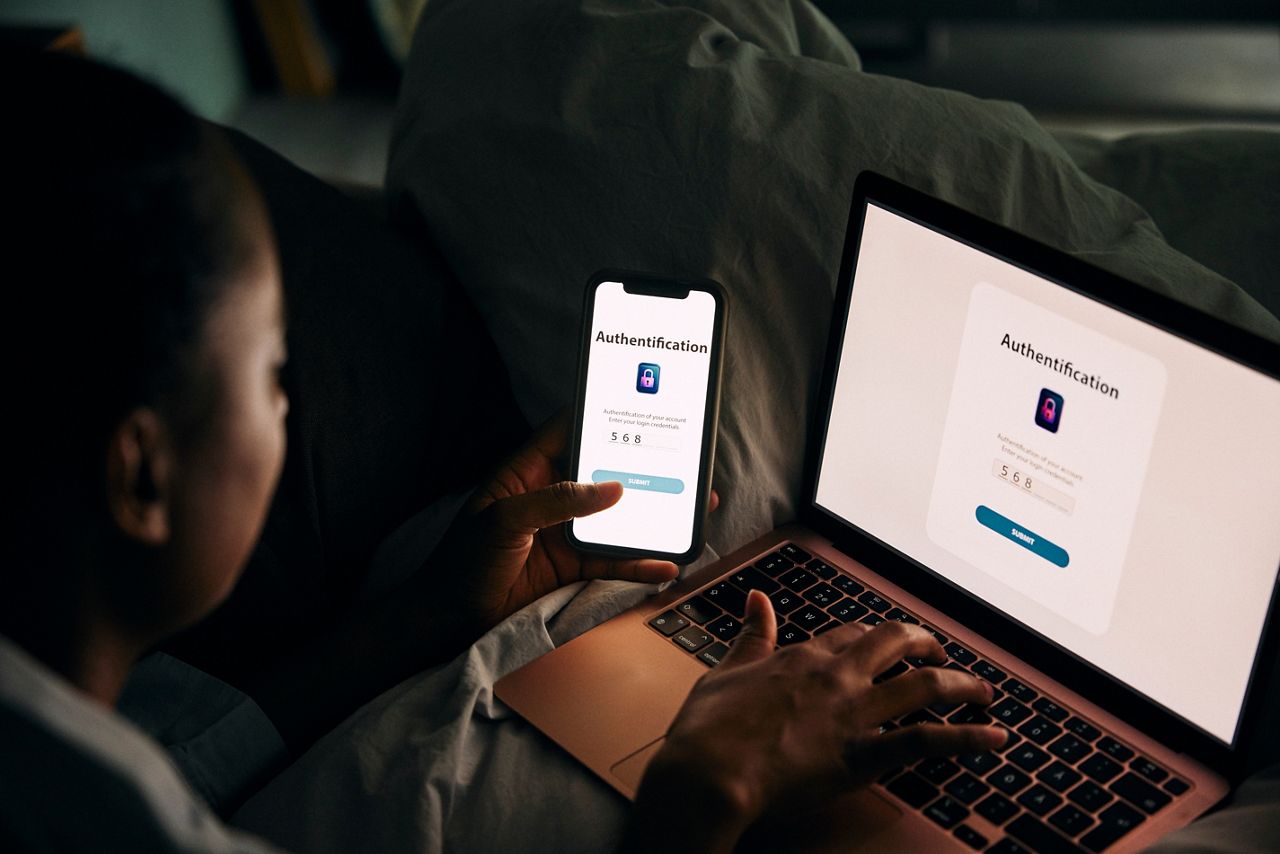
Why hotel cybersecurity is becoming more complex
Hospitality has become an attractive target for cybercriminals.
Hotels manage large volumes of sensitive information, including payment data, guest profiles, loyalty program accounts and employee records. At the same time, hotel technology environments often consist of multiple interconnected systems, vendors and user groups.
According to IBM's Cost of a Data Breach Report, the hospitality industry continues to face significant cybersecurity risks as organizations manage increasingly distributed digital environments.
The challenge isn't simply defending against attacks. It's maintaining visibility and control across an expanding technology ecosystem.
As hotels continue adopting cloud platforms, mobile technologies and connected devices, the number of potential entry points grows accordingly.


Why legacy infrastructure creates security risks
Many hotel technology environments have evolved gradually over time.
A new PMS is introduced. A guest app is added. Access control systems are upgraded. Network infrastructure expands. Each investment may solve an immediate need, but the result is often a patchwork of technologies built across different generations and security standards.
Over time, this creates complexity that becomes increasingly difficult to manage.
Common challenges include:
-
outdated software and unsupported systems
-
inconsistent security policies across platforms
-
fragmented user and access management
-
limited visibility into system activity
These issues don't always create immediate problems. However, they can increase risk exposure and make security incidents harder to detect and contain.
Future-proofing begins with reducing unnecessary complexity wherever possible.
How a unified hotel technology infrastructure improves security
Security becomes significantly easier when systems work together.
A unified digital infrastructure allows IT teams to manage users, permissions, devices and activity more consistently across the property. Instead of maintaining separate processes for each platform, teams gain centralized visibility and stronger control.
This approach also supports better operational efficiency.
When systems share information automatically, hotels reduce manual administration, improve monitoring capabilities and simplify troubleshooting. Security teams spend less time chasing information across disconnected platforms and more time focusing on risk management.
Increasingly, hospitality organizations are recognizing that cybersecurity and operational efficiency are closely connected objectives rather than separate initiatives.
Why compliance should be built into hotel technology strategy
Compliance requirements continue to evolve alongside cybersecurity threats.
Hotels may need to address frameworks and regulations related to payment security, privacy protection and data governance depending on the markets they operate in. PCI DSS, GDPR and various regional privacy requirements all place growing expectations on how information is collected, stored and protected.
According to the European Union Agency for Cybersecurity (ENISA), organizations that incorporate security and compliance into technology planning are often better positioned to manage risk and adapt to future regulatory changes.
The key is avoiding a reactive approach.
When compliance becomes an afterthought, organizations often end up layering controls onto systems that were never designed to support them efficiently. Future-proof environments take security and compliance requirements into account from the beginning.
Building a scalable and resilient hotel IT environment
Future-proofing is not about predicting every technology trend.
It's about creating infrastructure that can adapt.
The most resilient hotel technology environments share several characteristics:
-
strong integration between critical systems
-
centralized visibility and management
-
scalable cloud-enabled architecture
-
security and compliance built into operational processes
These foundations help hotels adopt new technologies more easily while maintaining control over security and operational performance.
They also reduce the risk that future growth creates additional complexity.
The future of hotel IT is built on flexibility
Technology will continue to evolve. Guest expectations will continue to change. New security threats will continue to emerge.
The hotels best prepared for that future won't necessarily have the most technology. They will have the technology environments that are easiest to secure, manage and scale.
For IT and security managers, future-proofing is ultimately about creating flexibility. Building infrastructure that supports innovation without introducing unnecessary risk.
Because in hospitality, resilience is no longer just an IT objective.
It's a business requirement.


FAQ: Hotel cybersecurity and IT infrastructure
Download the PDF Guide
Prefer a printable version? Download this article as a PDF for offline reading and easy sharing.