How to Integrate Smart Technology Without Compromising Design
For years, architects and designers faced a frustrating trade-off.
Create beautiful, seamless spaces, or accommodate the growing number of technologies modern buildings require.

Access control systems, security hardware, sensors, connectivity infrastructure and building automation solutions often introduced visible elements that competed with architectural intent. Technology was frequently treated as something that needed to be added to a design rather than integrated into it.
Today, that expectation is changing.
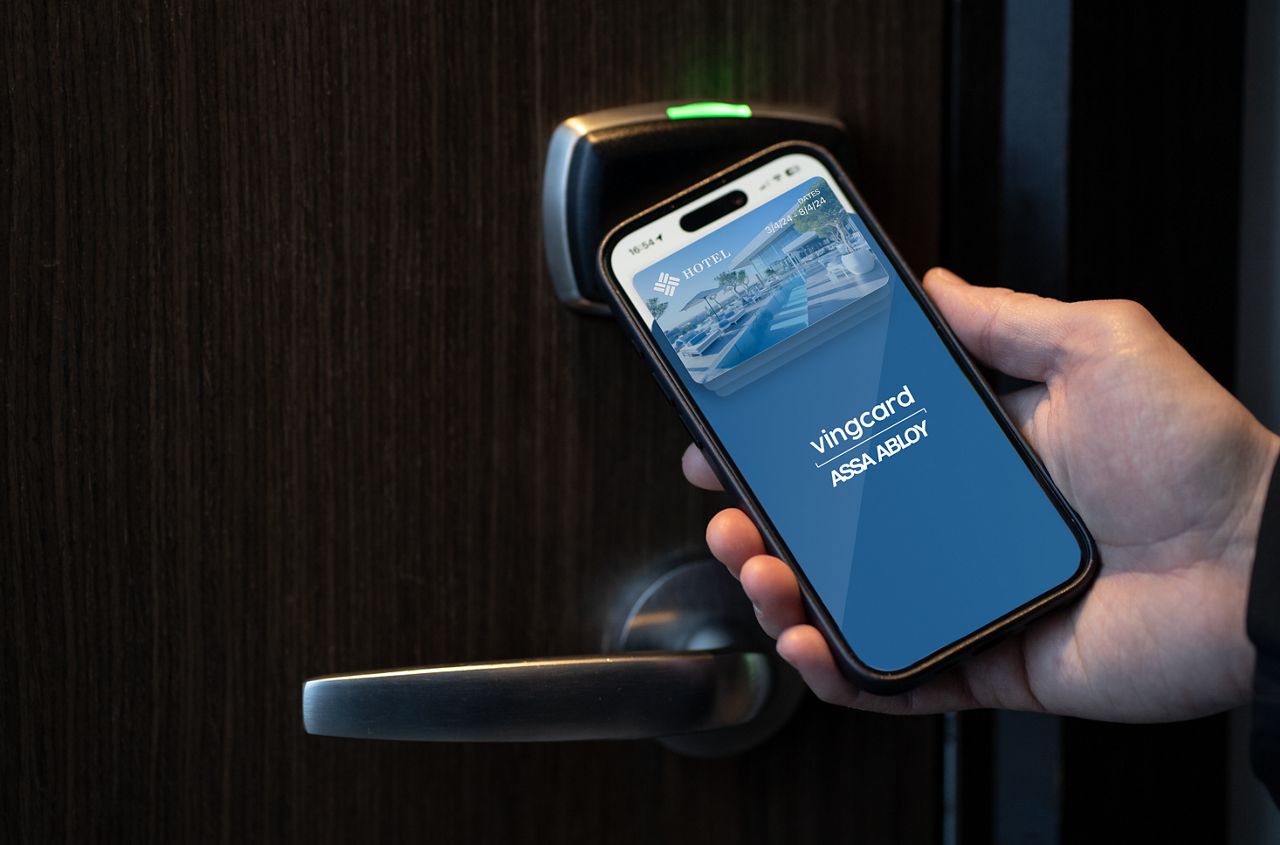
As hospitality, residential and mixed-use developments become increasingly connected, architects are demanding technology that complements design rather than disrupts it. The goal is no longer choosing between aesthetics and functionality. The goal is achieving both.

Why smart building technology is now a design consideration
Technology has become a permanent part of the built environment.
Whether designing a hotel, Build-to-Rent development, student accommodation project or mixed-use property, architects must now consider digital access, connectivity, security and automation from the earliest stages of planning.
At the same time, clients increasingly expect buildings to be both technologically advanced and visually distinctive.
According to the American Institute of Architects (AIA), demand continues to grow for buildings that combine sustainability, technology integration and occupant experience within cohesive design strategies.
This shift is changing how architects approach technology specification.
Rather than treating infrastructure as a separate discipline, leading projects are incorporating technology as part of the overall architectural vision from day one.

Why visible technology often creates design challenges
The challenge isn't technology itself.
The challenge is poorly integrated technology.
Many projects still encounter situations where hardware decisions occur late in the design process. Devices are mounted after construction planning is largely complete. Infrastructure requirements emerge unexpectedly. Design teams are forced to accommodate technology rather than incorporate it intentionally.
The result is often visual clutter.
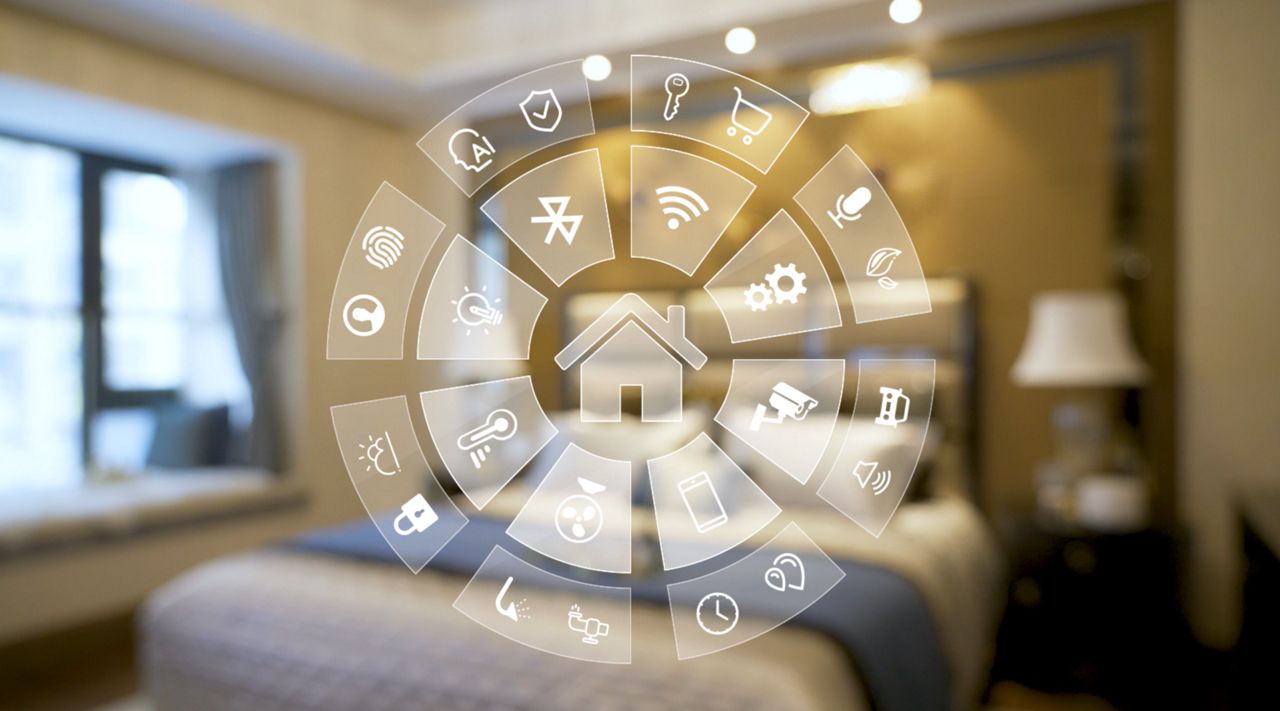
Wall-mounted hardware, visible readers, exposed devices and inconsistent finishes can interrupt carefully considered architectural details and compromise the user experience.
Common design challenges include:
-
visible access control hardware
-
inconsistent finishes across devices
-
technology added late in the project lifecycle
-
infrastructure requirements that disrupt architectural intent
These issues are rarely caused by design decisions alone. More often, they stem from insufficient coordination between architecture, technology and operations during the planning process.
How design-led technology creates better outcomes
The most successful projects increasingly follow a different approach.
Instead of asking how technology can be added to a building, they ask how technology can become part of the building itself.
Design-led technology prioritizes both functionality and visual integration. Hardware becomes more discreet. Finishes align with architectural materials. Devices are selected not only for performance but also for how they contribute to the overall experience.
The result is a building where technology feels intentional rather than imposed.
For occupants, this often creates a more seamless experience. Technology performs its role without constantly drawing attention to itself.
For architects, it preserves design integrity while still meeting operational and security requirements.
Why architects are embracing invisible technology
One of the strongest trends in contemporary architecture is the move toward invisibility.
Not the removal of technology, but the reduction of visual complexity.
Occupants increasingly expect spaces to feel intuitive and effortless. Access should feel seamless. Security should feel unobtrusive. Building services should support the experience without dominating it.
This shift is influencing everything from access control and wayfinding to lighting and automation.
Increasingly, the most successful technology is the technology people barely notice.
Architectural Digest has highlighted how smart building innovations are increasingly being integrated into projects through minimalist, user-centric design approaches that prioritize experience over visible technology.
This philosophy aligns closely with broader trends in hospitality, residential design and commercial real estate.
Why early collaboration leads to better design
Technology integration is often most successful when discussions begin early.
When architects, developers, operators and technology partners collaborate from the outset, infrastructure requirements can be incorporated naturally into the design process rather than accommodated later.
This creates several advantages:
-
greater design flexibility
-
fewer late-stage compromises
-
more consistent user experiences
-
improved long-term building performance
Early planning also helps ensure that future technology needs are considered without requiring visible retrofits or disruptive modifications later.
For many projects, this is where the greatest value is created.
The future of smart building design is seamless
The debate between aesthetics and functionality is becoming increasingly outdated.
Today's most successful buildings demonstrate that technology and design can strengthen one another when approached strategically.
As occupant expectations continue to evolve, architects will play an increasingly important role in shaping how technology is experienced within the built environment.
The projects that stand the test of time will not be those that simply contain more technology.
They will be the projects where technology feels effortless, intuitive and fully integrated into the architecture itself.
Because the best smart buildings don't showcase technology.
They showcase great design.

FAQ: Smart building technology and architectural design
Download the PDF Guide
Prefer a printable version? Download this article as a PDF for offline reading and easy sharing.


Subscribe to our blog
Stay up to date with the newest technology developments, expert tips and industry news.