The Hidden Cost of Disconnected Hotel Systems
Hotels have never had more technology. Yet many operations have never felt more complicated.

Over the years, properties have added new platforms to improve different parts of the guest journey: mobile access, WiFi, energy management, housekeeping tools and operational software. But when those systems evolve separately, complexity starts to build quietly in the background.
That challenge is becoming increasingly common across hospitality. According to Hospitality Technology’s 2024 Lodging Technology Study, hotel leaders continue to rank system integration and operational efficiency among their biggest technology concerns as digital ecosystems grow more complex.
Staff spend more time navigating platforms instead of helping guests, and small operational delays begin to affect the experience across the entire property.

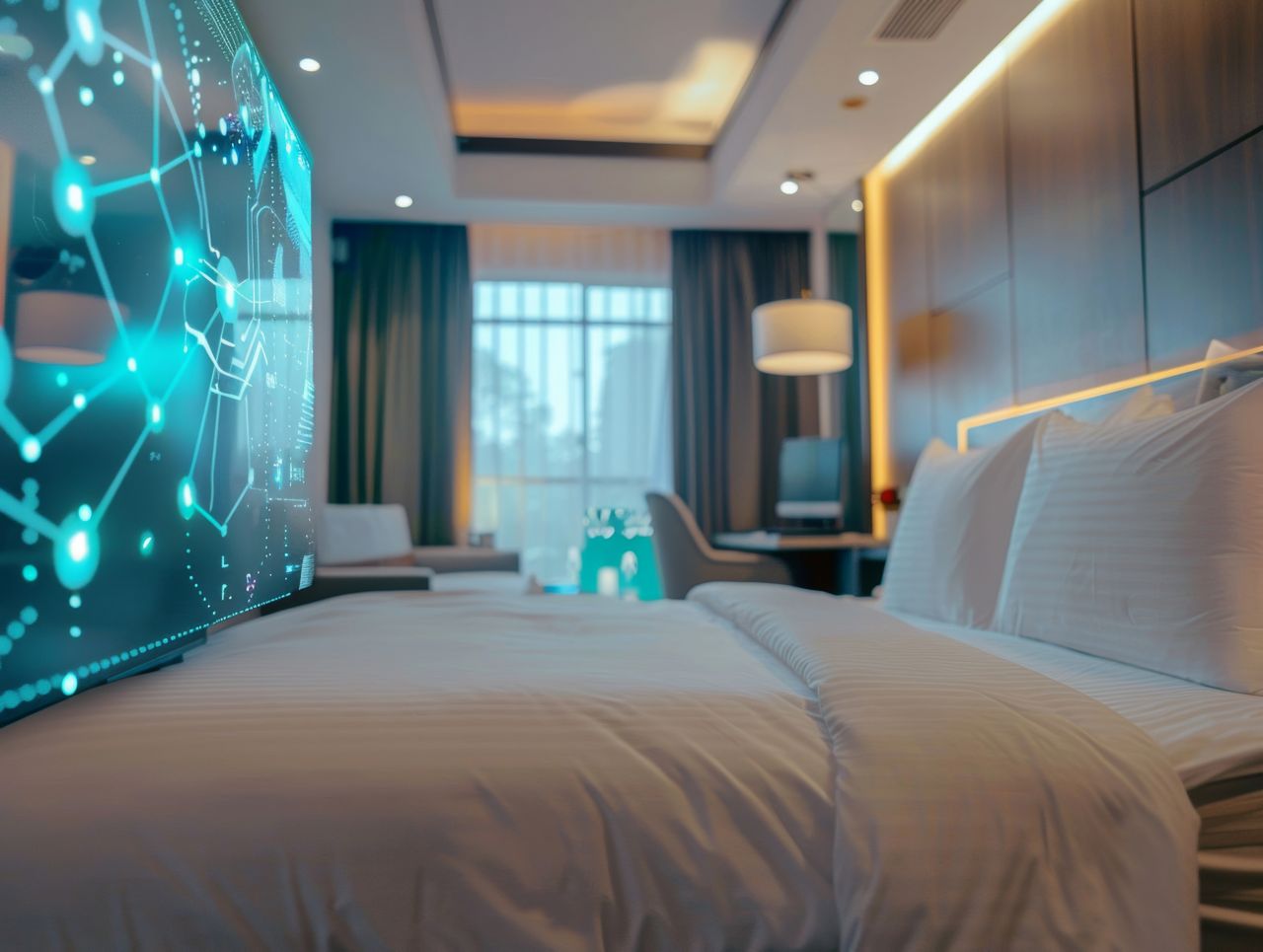
Why disconnected hotel systems create operational inefficiency
A lock system from one provider. Network infrastructure from another. Separate platforms for operations, room controls and guest services.
Individually, each system may solve a specific problem. Together, they often create entirely new ones.
Front desk teams switch between interfaces during check-in. Engineering teams troubleshoot issues across multiple vendors. Operations staff rely on calls, spreadsheets or manual updates to coordinate daily tasks. Even simple workflows become harder than they need to be.
The challenge becomes even greater as hotels operate with leaner staffing models. Teams are expected to deliver faster, more personalized service while managing increasingly fragmented technology environments behind the scenes.
According to Deloitte’s hospitality outlook, operational efficiency and technology simplification are becoming major priorities for hotel operators facing rising labor pressure and growing guest expectations.
Over time, those inefficiencies become expensive — not only operationally, but commercially.


How fragmented hotel technology impacts guest satisfaction
Guests rarely see the systems running behind a hotel. They simply experience the outcome.
A mobile key that doesn’t activate immediately. Inconsistent room settings. Slow connectivity. Delays between departments. These moments create friction during the stay, even when staff resolve the issue quickly and professionally.
And guest expectations continue to rise.
Modern travelers expect hotel experiences to feel connected in the same way the rest of their digital lives already do. Convenience is no longer viewed as innovation. It’s part of the baseline experience.
That shift is particularly important as hotels compete increasingly on experience rather than location alone. Digital convenience now shapes how guests evaluate speed, service quality and overall satisfaction throughout the stay.
Hotels with fragmented technology environments often struggle to deliver the level of consistency modern travelers expect. Small disconnects between systems can quickly become visible to guests, especially during high-pressure moments like check-in, room access or service requests.
That’s why operational simplicity has become directly connected to guest satisfaction.
The value of connected hotel technology
Hotels operating with integrated systems often experience something important: less operational friction.
When access control, connectivity, energy management and operational platforms work together, staff spend less time compensating for system gaps and more time focused on the guest experience.
Instead of manually coordinating updates between departments, information moves automatically across systems in real time. A room status changes instantly after checkout. Energy settings adjust automatically based on occupancy. Operations teams receive updates without relying on separate communication tools.
The operational benefits are often felt across the entire property:
-
faster coordination between teams
-
fewer manual processes across departments
-
less troubleshooting between vendors
-
more consistent guest experiences
Importantly, connected hotel systems also improve scalability. As properties expand technology investments over time, integrated ecosystems are typically easier to maintain than fragmented environments built around isolated tools and disconnected workflows.
This becomes especially valuable for larger hotels and multi-property operators trying to maintain consistency across portfolios while controlling operational costs.
Simpler operations create stronger hotel experiences
Technology should simplify hotel operations, not complicate them.
The most forward-looking properties today are moving away from fragmented systems and toward connected ecosystems that support both operational efficiency and guest expectations at the same time.
Because the hidden cost of disconnected hotel systems is rarely the technology itself. It’s the friction those systems create every day for staff, guests and the business as a whole.
FAQ: Connected hotel systems and operational efficiency
Download the PDF Guide
Prefer a printable version? Download this article as a PDF for offline reading and easy sharing.


Subscribe to our blog
Stay up to date with the newest technology developments, expert tips and industry news.