The Rise of Invisible Security in Modern Architecture
The best security design often goes unnoticed.
Not because it isn't effective, but because it has been integrated so thoughtfully into the built environment that it becomes part of the overall experience rather than a visible interruption.

For decades, security infrastructure was largely treated as a functional necessity. Access readers, locks, cameras and control devices were added to buildings after key architectural decisions had already been made. While these systems fulfilled their purpose, they often competed with the design vision architects worked so carefully to create.
Today, that approach is changing.
As expectations around both aesthetics and technology continue to evolve, architects, designers and developers are increasingly embracing a new philosophy: security should be felt, not seen.
The rise of invisible security is reshaping how modern buildings are designed, experienced and operated.

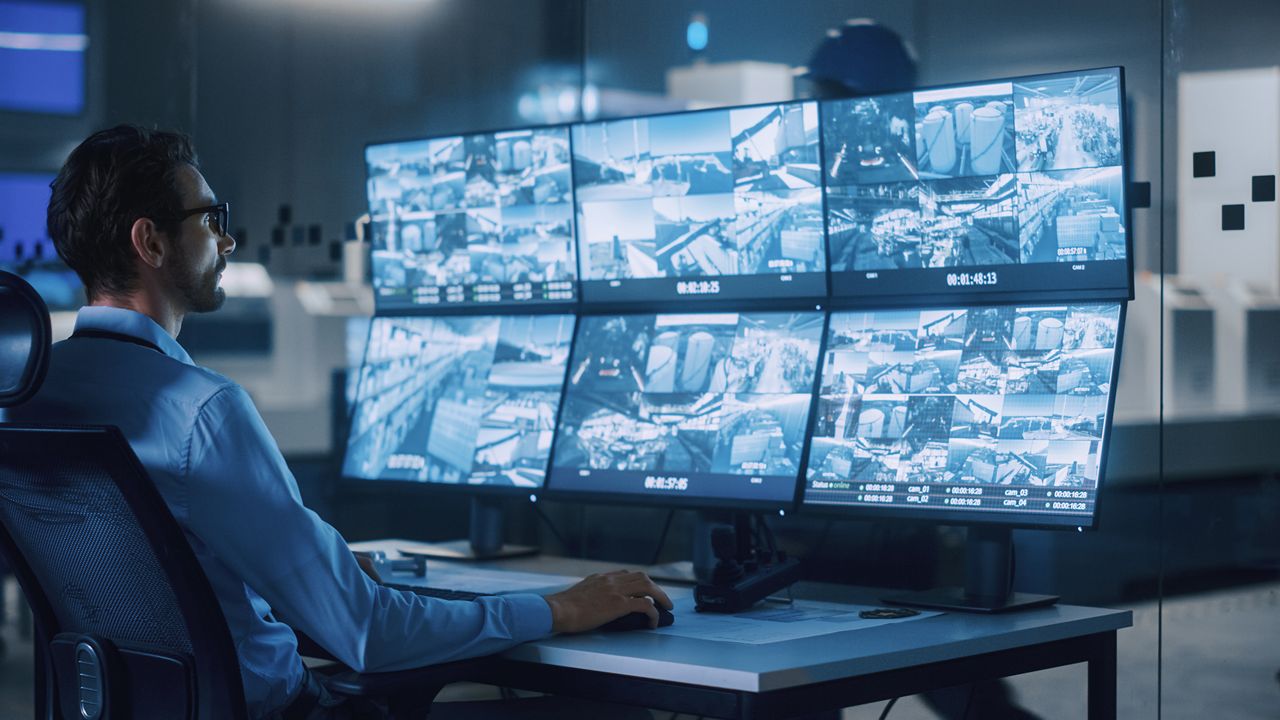
Why modern architecture demands a different approach to security
Contemporary architecture places enormous emphasis on simplicity.
Clean lines. Minimalist materials. Uninterrupted surfaces. Seamless user experiences.
Whether designing luxury hotels, Build-to-Rent developments, student accommodation or premium residential projects, architects are increasingly focused on creating environments that feel intuitive and visually calm.
Visible technology can disrupt that objective.
Traditional security hardware often introduces visual noise into carefully designed spaces. Multiple readers, exposed devices and inconsistent hardware finishes can detract from an otherwise cohesive architectural concept.
According to the American Institute of Architects (AIA), architects continue to prioritize user experience, sustainability and integrated building technologies as key design considerations across new developments.
Security solutions are increasingly expected to support those goals rather than compete with them.

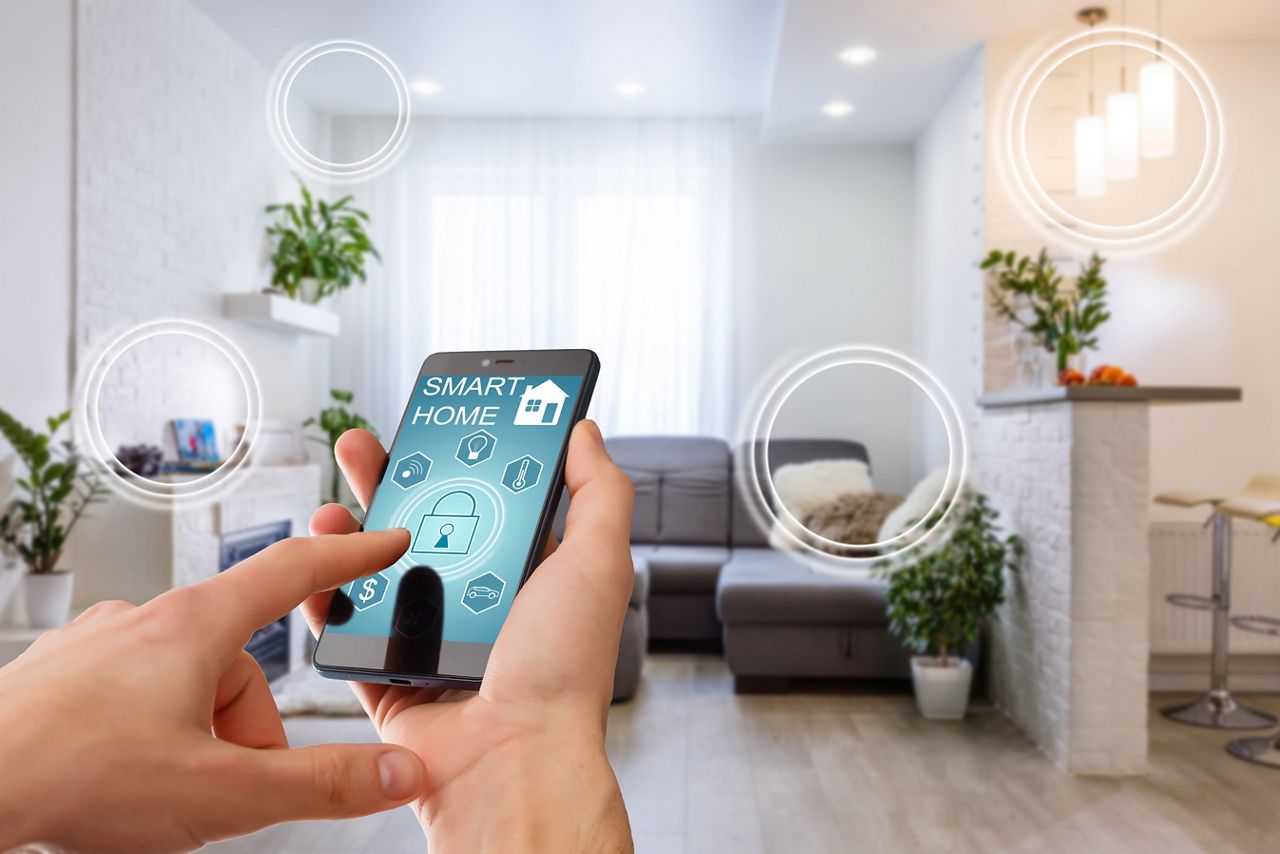
Why visible security can impact the user experience
Architecture is ultimately experienced through movement.
How people enter a building. How they navigate spaces. How they interact with doors, common areas and private environments.
When security infrastructure feels intrusive, it can create friction within that journey.
A poorly positioned reader. Multiple authentication points. Visible hardware that dominates an entrance sequence. These elements may seem minor individually, but collectively they can affect how occupants perceive a space.
This is particularly important in hospitality and residential environments where comfort, convenience and aesthetics play a central role in the overall experience.
Common design challenges include:
-
oversized or visually intrusive security hardware
-
inconsistent finishes across access points
-
multiple visible devices serving overlapping functions
-
retrofitted technology that disrupts architectural intent
Increasingly, architects are looking for ways to reduce these compromises.
How invisible security supports modern design principles
Invisible security does not mean eliminating security.
It means integrating it more intelligently.
The most successful projects increasingly incorporate security considerations early in the design process, allowing technology to become part of the architecture rather than an addition to it.
Readers become smaller and more discreet. Hardware is integrated into architectural elements. Finishes align with surrounding materials. Access experiences become simpler and more intuitive.
The result is a space where security remains highly effective while visual complexity is minimized.
For occupants, this creates a more seamless experience. The building feels easier to navigate because the technology supports the journey rather than drawing attention to itself.
Why mobile access is accelerating the shift toward invisible security
One of the biggest drivers behind invisible security is the growth of mobile access technologies.
Historically, access control required visible interaction points throughout a building. Cards needed readers. Physical credentials required dedicated infrastructure.
Mobile-first environments change that dynamic.
As smartphones increasingly become digital credentials, many traditional touchpoints can be simplified or reduced entirely. Access becomes less dependent on visible hardware and more focused on the overall user experience.
This trend aligns closely with broader architectural movements toward frictionless environments and minimalist design.
Rather than adding more visible devices, buildings are becoming smarter through connected infrastructure operating quietly in the background.
The benefits often include:
-
cleaner architectural aesthetics
-
fewer visible access control components
-
more intuitive user experiences
-
greater flexibility for future technology upgrades
For architects, this creates new opportunities to balance security requirements with design ambitions.
Why early collaboration matters more than ever
Invisible security is rarely achieved through product selection alone.
It requires collaboration.
The most successful projects bring together architects, developers, operators, consultants and technology partners early in the design process. This allows security requirements to be considered alongside architectural objectives rather than introduced later as constraints.
Early collaboration helps teams identify opportunities to conceal infrastructure, simplify user interactions and future-proof buildings without compromising design integrity.
The result is often a more cohesive project from both an operational and aesthetic perspective.
The future of security is becoming less visible
Security requirements are not disappearing.
If anything, they are becoming more important as buildings become increasingly connected and digitally enabled.
What is changing is how security is experienced.
The future belongs to environments where security is seamlessly embedded into the architecture itself. Spaces where occupants feel safe without constantly being reminded of the technology supporting that experience.
For architects and designers, this represents a significant opportunity.
Because the most successful buildings of the future will not be the ones with the most visible technology.
They will be the ones where technology disappears into great design.

FAQ: Invisible security and modern architecture
Download the PDF Guide
Prefer a printable version? Download this article as a PDF for offline reading and easy sharing.


Subscribe to our blog
Stay up to date with the newest technology developments, expert tips and industry news.